
Author / Affiliation / Email

Author / Affiliation / Email
Medical Yoga Therapy
Free PMC article
Abstract
Medical yoga is defined as the use of yoga practices for the prevention and treatment of medical conditions. Beyond the physical elements of yoga, which are important and effective for strengthening the body, medical yoga also incorporates appropriate breathing techniques, mindfulness, and meditation in order to achieve the maximum benefits. Multiple studies have shown that yoga can positively impact the body in many ways, including helping to regulate blood glucose levels, improve musculoskeletal ailments and keeping the cardiovascular system in tune. It also has been shown to have important psychological benefits, as the practice of yoga can help to increase mental energy and positive feelings, and decrease negative feelings of aggressiveness, depression and anxiety.
Keywords:
yoga; cardiovascular disease; ADHD; anxiety; arthritis; depression; inflammation; meditation; mindfulness; yogic practice.
Conflict of interest statement
The author declares no conflict of interest.
Similar articles
Cited by
References
Khalsa S.B., Cohen L., McCall T., Telles S. Principles and Practices of Yoga in Health Care. 1st ed. Handspring Publishing; Scotland, UK: 2016.
Hunter D.J., Reddy K.S. Noncommunicable diseases. NEJM. 2013;369:1336–1343. doi: 10.1056/NEJMra1109345.
–
DOI
–
PubMed
Miller J.J., Fletcher K., Kabat-Zinn J. Three-year follow-up and clinical implications of a mindfulness meditation-based stress reduction intervention in the treatment of anxiety disorders. Gen. Hosp. Psychiatry. 1995;17:192–200. doi: 10.1016/0163-8343(95)00025-M.
–
DOI
–
PubMed
Yadav R.K., Sarvottam K., Magan D., Yadav R. A two-year follow-up case of chronic fatigue syndrome: substantial improvement in personality following a yoga-based lifestyle intervention. Altern. Complement. Med. 2015;21:246–249. doi: 10.1089/acm.2014.0055.
–
DOI
–
PubMed
Klainin-Yobas P., Oo W.N., Suzanne Yew P.Y., Lau Y. Effects of relaxation interventions on depression and anxiety among older adults: A systematic review. Aging Ment. Health. 2015;19:1043–1055. doi: 10.1080/13607863.2014.997191.
–
DOI
–
PubMed
Publication types
LinkOut – more resources
Full Text Sources
Other Literature Sources
Material and methods
The research was conducted in the Pain research and TMS Laboratory, Department of Physiology, All India Institute of Medical Sciences (AIIMS), New Delhi. A randomized control trial was designed to compare the effect of Medical Yoga Therapy (MYT) and Standard Care Therapy (SCT) in CLBP patients, the recordings were done at baseline, at end of 4 and 8 weeks of both interventions. The study was approved by Institute Ethics Committee of the AIIMS, New Delhi (Ref.No. IECPG-186/27/27.03.2019, RT-10/27.04.2019) and all procedures were registered on Clinical Trial Registry India (REF/2017/10/015616). Chronic low back pain patients visiting the outpatient department of Physical Medicine and Rehabilitation, Orthopaedics and Neurosurgery departments, AIIMS, New Delhi were screened by specialists. Clinical conditions like malignancy, fractures, ankylosing spondylitis, infections, caudal equina syndrome, radiculopathy were ruled out. Neuropathic pain was also ruled out by straight leg raising test. Chronic low back pain was defined as per the criteria described by the NIH pain consortium non-specific pathology (1). CLBP patients with no other chronic pain condition aged 18 to 65 years were included after thorough screening. The exclusion criteria were; presence of any major illness (psychiatric, neurological, autoimmune, cardiovascular), history of opioid or substance abuse.
Nociceptive Flexion Reflex recording, site of stimulation was Sural nerve (pure sensory nerve that runs along the retromalleolus of the ankle region). Noxious electrical stimuli were delivered using Bipolar Ag/AgCl electrodes at the skin superficial to the sural nerve, ranging between 10–100Volts. The response to the electrical stimulation was a withdrawal picked up as an electromyographic signal by surface electromyography electrodes placed on the short head of the biceps femoris. The site was identified by palpating the tendon against resistance about 4–5 fingers away from the popliteal fossa. A train of 5–10 square wave electrical pulses at a frequency of 200 Hz with 1 msec duration were delivered. Each consecutive stimulus was separated by 5–15 s. The test started with a familiarity session by giving the participant a wide range of electrical stimuli. A step-up method in jumps of 5Volts was employed during recording of the NFR threshold. Thereafter, the intensity was decreased by 1Volt to confirm the minimum intensity required for the response. Throughout the experiment, the participants were asked to describe the sensation felt, express the degree of unpleasantness, and if pain, then quantify it on an 11-point scale VAS.
Chronic low back pain patients all naive to the procedure, were informed about the test procedure in details. The test was conducted in a silent environment with the subjects in overnight fasting state. The instructions and the technique were described before proceeding for the recordings. Subjects were then also equipped with a leaflet indicating Visual analogue scale ratings (VAS), from 0 to 10, 0-marked “no pain” and 10-“worst pain imaginable” at either end. The amplitude of the stimulation was manually controlled and recordings were performed with a Biopac EMG System. (Model: BSLSTMA, Biopac systems, Inc. Santa Barbara, California).
The characteristic EMG response with latency between 80 and 180 msec, duration between 40 and 60 msec, amplitude >30–40 mV was considered. Three records for each of the parameters; NFR threshold, latency, amplitude, duration, and area under the curve, were averaged for each patient.
For Diffuse Noxious Inhibitory Control testing (Conditioned pain modulation) a test and conditioning stimuli were used. The test stimulus was nociceptive flexion reflex (described earlier) and the conditioning stimulus was noxious cold water immersion of the contralateral hand. Each experimental session had six time-epochs: during immersion (max 90 s), and after 1 min of hand removal until 5 min (T1–T5) explain properly. Three stimuli were delivered within each time epoch and were averaged to give a representative nociceptive flexion reflex threshold Value (Figure 1).
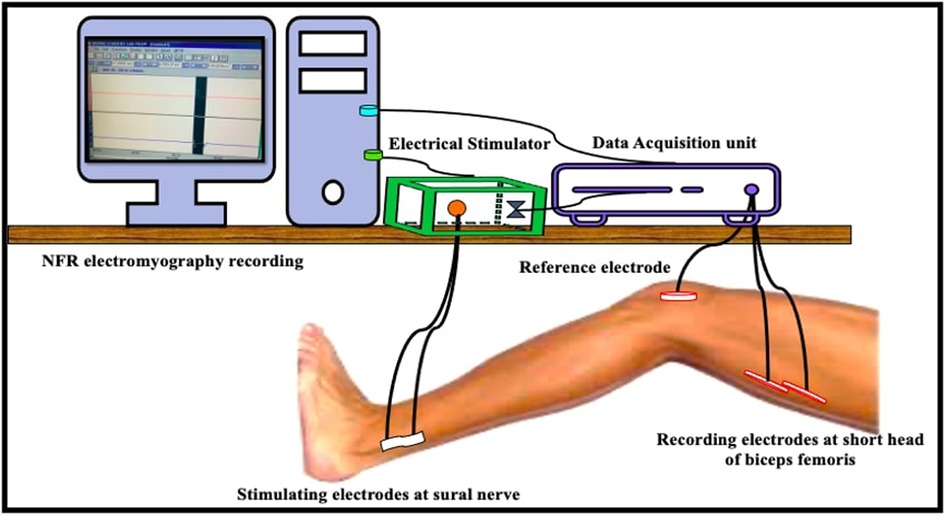
Figure 1. Diagrammatic representation of set-up for nociceptive flexion reflex recording (NFR electromyography recording, elecrical stimulator, data acquisition unit, stimulation, reference and recording electrodes at their respective sites).
Medical yoga therapy yoga protocol
The orientation and execution of yoga protocol was conducted by a qualified yoga therapist five days a week for one month at Integral Health Clinic, Department of Physiology, All India Institute of Medical Sciences (AIIMS), New Delhi, India. The protocol was a comprehensive, yoga-based intervention program lasting for 2 h per day for 5 days a week for a total of 4 weeks. It consists of an integrated and pretested intervention (35, 36) comprising of theory and practice sessions. To ensure the quality of the program and to ensure that the participants get enough time with the expert, only 6–8 participants were assigned to the program at a given point of time.
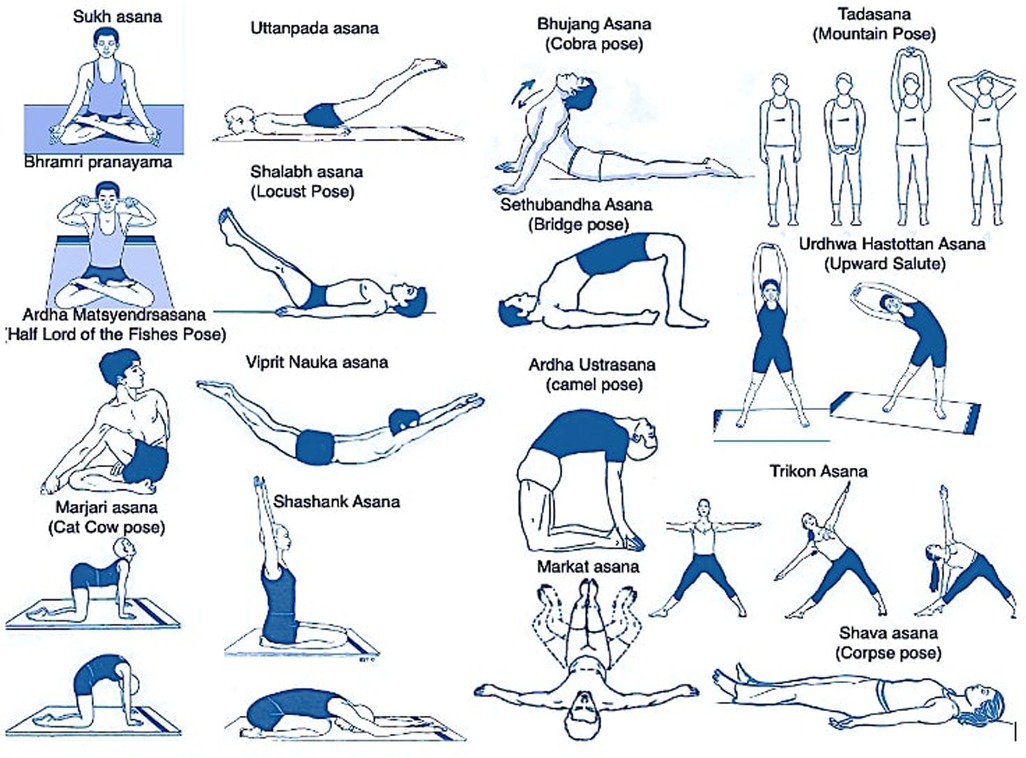
Figure 2. Medical Yoga therapy (Asanas).
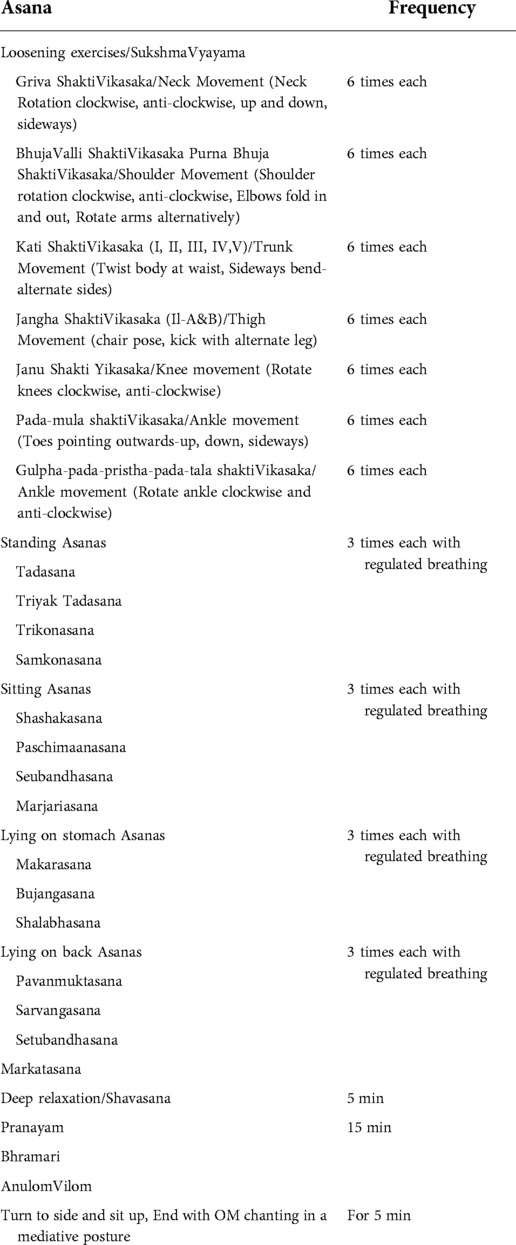
Table 1. Medical yoga therapy protocol.
A lithe, 5’9″ brunette in a workout tank and tights strides to the front of a studio in the suburbs of Orlando and unfurls her mat, as if she’s about to lead a vinyasa flow class. Instead, she opens a PowerPoint file and begins to teach the six criteria doctors use to assess pain.
Acupuncturist and yoga expert Tiffany Cruikshank is a 35-year-old leader in yoga medicine (yes, medicine), which eschews the practice’s trendy hot studios and splashy patterned leggings for gentle, clinical sequences of poses, breathing, and meditation to treat everything from chronic pain and IBS to heart disease and cancer. The past decade has seen an avalanche of research into yoga’s medical power; as a result, a new generation of passionate doctors and yogis—many of them doctor-yogis—want asanas on MDs’ prescription pads, often in place of pills. (Looking for natural remedies that really work? Prevention magazine has smart answers—get a FREE trial + 12 FREE gifts.)

The classes at Cruikshank’s year-old “mini medical school for yoga teachers,” which teaches yogis how to deal safely with any student in need of healing, sell out in less than 24 hours, with teachers from Des Moines to Dubai clamoring for access. Maryland University of Integrative Health has created one of the first master of science degrees in yoga therapy, and the debut medical textbook for mainstream doctors (coauthored by an MD and a professor of medicine at Harvard University) is set to publish early next year.
“Yoga therapy is one of the most effective medicines we have,” says Ginevra Liptan, a fibromyalgia specialist in Lake Oswego, OR, who has prescribed restorative yoga to her patients ever since it quelled her own debilitating fibro symptoms. Cruikshank, who first recognized yoga’s medicinal power when she started giving her acupuncture patients easy-to-do yoga “prescriptions” and they healed more quickly, agrees. “Yoga is medicine, and it’s time more people started using it that way.”
MORE: 11 Highly Effective Solutions For Sciatica
HERE’S WHAT YOGA CAN HELP HEAL:
Inflammation
Chronic inflammation—the villain at the root of many modern ills, from heart disease to cancer to Alzheimer’s disease—may be controlled with easy, gentle yoga. In one trial, 2 months of a twice-weekly practice reduced inflammation markers in heart failure patients by as much as 25%.
Anxiety, depression, moderate hypertension, stress-related exhaustion, IBS, insomnia
Try a gentle yoga class—like level 1 or beginner Iyengar, restorative, yin, or hatha—with a teacher who incorporates breathwork and meditation. “The combination of yoga and meditation triggers the parasympathetic nervous system—the calming branch—and keeps your mind anchored in the present moment,” says Jessica Hutchins, an integrative physician at Cleveland Clinic. Since depression is characterized by obsessing over the past and anxiety is fretting about the future, staying in the here and now can be a potent antidote, she adds. (Take our depression quiz to find out if you’re just feeling blue—or if there’s a real problem.)
MORE: The 8 Most Effective Exercises For Weight Loss
Arthritis, chronic pain, fibromyalgia
Aim for yoga therapy in a one-on-one or small-group setting, led by a yoga therapist (YT) or a seasoned teacher who has a deep understanding of anatomy and physiology. Reach out to an International Association of Yoga Therapists (IAYT)–accredited training program (iayt.org) or find an instructor who has gone through Cruikshank’s program (yogamedicine.com).
An acute injury, spinal stenosis, surgery recovery
See a trained yoga therapist one-on-one. “Look for teachers who have experience working in physical therapists’ offices, hospitals, or rehab centers or who have special certifications in shoulder care or back care,” says Pransky.
(Ready to put yoga’s healing power to use? Check out these 12 yoga poses that can ease your most frustrating aches and pains.)
MORE: 4 Moves To Slim Your Hips And Thighs
Proven protocols.
While many YTs feel that standardization could blunt yoga’s magic, “clinicians need to feel they are prescribing safe treatments that are proven to work,” says Heather Greysen, a nurse researcher at the University of California–San Francisco.
Interaction between doctors and YTs.
Others argue that doctors need to learn to trust YTs. “Yoga therapists are most effective when they can design a personalized practice,” says Cruikshank. As doctors see patients benefit, they’ll feel more comfortable referring their patients.
FIND YOUR YOGA CURE
No matter what your ache or pain, there’s a practice for you. “While yoga teachers have been helping people heal for centuries, IAYT has recently created a standard for registered yoga therapists that can help you connect with well-trained teachers, as well as teachers who are grandfathered in with years of experience,” says Pransky. “But remember, just as a medical degree doesn’t make a great doctor, a certification doesn’t make a great yoga teacher. Meet with the teacher first and make sure you click. It’s the relationship between you and the teacher that makes the yoga healing.”
Ginny Graves is a health and psychology writer from California.
During These Times of Stress and Uncertainty Your Doshas May Be Unbalanced.
Try not to stress over every question, but simply answer based off your intuition. After all, you know yourself better than anyone else.
Conflict of interest
The authors declare that the research was conducted in the absence of any commercial or financial relationships that could be construed as a potential conflict of interest.
Article Menu
Department of Pediatrics, University of Virginia Medical Center, Charlottesville, VA 22903, USA
Abstract
:
Medical yoga is defined as the use of yoga practices for the prevention and treatment of medical conditions. Beyond the physical elements of yoga, which are important and effective for strengthening the body, medical yoga also incorporates appropriate breathing techniques, mindfulness, and meditation in order to achieve the maximum benefits. Multiple studies have shown that yoga can positively impact the body in many ways, including helping to regulate blood glucose levels, improve musculoskeletal ailments and keeping the cardiovascular system in tune. It also has been shown to have important psychological benefits, as the practice of yoga can help to increase mental energy and positive feelings, and decrease negative feelings of aggressiveness, depression and anxiety.
1. Introduction
Within the past decade, yoga has infiltrated not only Western culture, but also Western medicine. The more we learn about this ancient practice, the more we realize that its benefits go far beyond increased flexibility and muscle tone. A common misunderstanding is that yoga predominantly focuses on increasing flexibility; however, although Hatha Yoga, or the physical practice of yoga, does emphasize appropriate postural alignment, musculoskeletal strength and endurance as well as balance, the study and practice of yoga incorporates mindfulness-based practices such as mindful breathing techniques, focused concentration, meditation and self-reflection.
2. Prescription: Yoga
Medical yoga is defined as the use of yoga practices for the prevention and potential treatment of medical conditions. Beyond the physical elements of yoga, which are important and effective for strengthening the body, medical yoga also incorporates appropriate breathing techniques, mindfulness, meditation and self-reflection/study in order to achieve the maximum benefits. Medical Yoga Therapy or “Yoga Chikitsa” is the dynamic state of physical and mental ease, coupled with spiritual well-being. Yoga helps one to develop a positive state of health by not only treating illness, but also helping one to understand the underlying causes of disease. Medical yoga therapy, ideally, is an individualized, personalized and holistic approach that takes into account not only the patient’s mind, body and spirit, but also their family, support network, work situation, and culture, as part of the patient’s individualized treatment plan. As an example, if one is diagnosed with anxiety, a physician trained in medical yoga may prescribe specific breathing techniques (pranayamas), calming postures (asanas), mindfulness-based practices and/or meditation, as well as other lifestyle guidance. This type of therapy does not incur the potentially adverse effects of medications, and can produce benefits to the patient, long after their relationship with the health provider ends.
The mindfulness and meditation aspects of yoga are ways of training the mind so that one is not distracted and caught up in its endless churning thought stream. These practices build resilience, help the patient cope with stress and manage potential triggers for anxiety. They can also promote self-reflection that may uncover the source(s) of one’s anxiety. If necessary, anti-anxiety medications and/or psychotherapy may be used in tandem; medical yoga in such cases is strongly adjunctive and complementary.
This review article will focus on: (1) The science behind medical yoga; (2) The relationship of stress to health and healing; (3) The yogic approach to health care; and (4) The research behind medical yoga therapy.
3. What Is Yoga
As a mindfulness practice, yoga requires one to be fully aware in the present moment. This practice helps to diffuse anxiety (which largely concerns the future), and sadness (which largely concerns the past). All the yogic practices use present moment, non-judgmental awareness as the foundation. Of course, such presence benefits the healthcare provider as much as the patient: if one can learn to pay attention to oneself, one can really pay attention to one’s patients. One can then teach the patient to pay attention to him or herself as well.
4. Medical Yoga Prescription
Medical yoga as considered here comprises the use of traditional yogic practices to prevent, cure, and/or ameliorate disease. The ideal medical yoga prescription includes the yogic practices of breathing techniques, bodily postures, meditation techniques and self-reflection; a healthy, nourishing diet; reducing substances such as caffeine, tobacco, drugs and alcohol; healthy sleep hygiene and appropriate support, which may include family, spouse, children, friends and/or support groups, with or without psychotherapy. It is important that medical yoga therapy should start gently and with self-compassion.
For providers considering adding yoga to their therapeutic armamentarium, the best place to start is to consider yoga therapy as a complement to their patient’s current medical treatment. Yoga alone should not be considered a substitute for appropriate medication or psychotherapy. However, in situations where a patient is at risk of an illness but does not currently need more intensive therapy, introduction of yogic practices may forestall or prevent progression to the point where medical therapy is needed. Patients whose daily activities produce back strain or who have inherently stressful lives may benefit from yoga as a prophylactic strategy, thereby potentially avoiding more intensive interventions. It is also important to remember that not all yoga is appropriate for all patients and that yoga therapy is different than simply taking a group yoga class where the yoga instructor may not be aware of an individual student’s health concerns or problems. Most certified yoga teachers, or instructors, have received some training in anatomy and physiology; however, this training can be quite varied and is not equivalent to the training required by the yoga therapist or healthcare practitioner. As noted previously, yoga therapy, different from a yoga class, starts with a detailed history and physical examination and assessment from the health practitioner.
5. Stress
6. How Do Yogic Practices Work?
7. Meditation
8. Yoga and Neurotransmitters
9. Yoga and Telomeres
10. Yoga and Inflammation
As noted above, inflammation is the body’s natural immune response to infection, injury, and stress. However, inflammation can have serious health implications when it becomes prolonged and chronic. Chronic systemic inflammation may not be as apparent as acute inflammation, and can persist undetected at low levels for years. This can slowly damage the body, lead to the development of chronic diseases and increase one’s risk for type II diabetes, atherosclerosis, cardiovascular disease, autoimmune disease and age-related diseases.
11. Yoga and Back Pain/Arthritis
12. Yoga and Cardiac Disease
13. Yoga for Pediatrics
There has been increasing interest in the use of mind-body techniques and therapies for children and adolescents with focusing, concentration and attention disorders. If yoga and mindfulness helps one to focus inward and pay attention, it would be only natural to assume that these types of therapies would be of great benefit to those who have difficulty with inattentiveness. Ideally, this increased focus would potentially increase attention naturally, even in children with challenging attention disorders.
What about the possibilities of yoga entering the school curriculum? It has become increasingly commonplace for large companies and offices to incorporate yoga and meditation facilities for their employees as a means to help improve concentration, refresh focus, improve motivation and counteract prolonged sitting at a desk orworkbench all work-day long. Schoolchildren, who also spend hours working and sitting all day, may benefit to the same degree.
14. Conclusions
Ongoing research into yoga and mindfulness-based practices continues to reveal and uncover health benefits, supporting its use in health management.
The practice of yoga is not as easy or as quick as taking medication, but mounting evidence suggests it is worth the effort and investment. Yoga helps one to reconnect with oneself. It can help to uncover why and how one’s illness may have started, and can work with the body to start the recovery period from the ground up. The practice can help one to see how they may be reacting to the world around them, and may help them learn to respond from a different perspective. Slowing down, quieting our minds and connecting with our inner selves all help to bring one into the present moment. This can ultimately help to relieve one from the pressures and stressors from the hustle and bustle of this very busy world.
Conflicts of Interest
The author declares no conflict of interest.
References
Share and Cite
MDPI and ACS Style
Stephens, I.
Medical Yoga Therapy. Children 2017, 4, 12.
https://doi.org/10.3390/children4020012
Stephens I.
Medical Yoga Therapy. Children. 2017; 4(2):12.
https://doi.org/10.3390/children4020012
Stephens, Ina.
2017. “Medical Yoga Therapy” Children 4, no. 2: 12.
https://doi.org/10.3390/children4020012
Note that from the first issue of 2016, this journal uses article numbers instead of page numbers. See further details here.
Article Metrics
Discussion
The aim was to objectively assess the effect of Medical Yoga Therapy on chronic low back pain, using a spinally mediated reflex response, NFR and descending pain modulation paradigm. Also, we compared the effect of MYT with Standard care therapy on pain (subjectively-VAS, quality of life, sensory and affective components, and objectively by recording NFR and DNIC response) at the end of 4 and 8 weeks of both interventions. There was a significant reduction in body weight, body mass index, heart rate and blood pressure in MYT group, compared to SCT group both at end of 4 and 8 weeks. We found significant reduction in heart rate after yogic intervention which is supported by a study of 8-week of moderate intensity aerobic exercise intervention, and the authors reported similar results (37). However, the basic mechanism of the two interventions is different. The postulated mechanism of action of Medical Yoga therapy is through parasympathetic activation of autonomic nervous system and the associated stress relieving mechanisms in the body which is substantiated by our finding of significantly decreased blood pressure and heart rate after Medical Yoga therapy. Medical Yoga therapy blunts the physiological response to stress by enhancing GABA-mediated cortical inhibitory tone (38). Yoga increases the blood flow and nutrients to the soft tissues in the back region, improve the healing process and reduce stiffness that results in back pain (39). Therapeutically Medical Yoga therapy helps people manage health condition and reduce the pain symptoms (International Association of Medical Yoga therapy Therapists, 2016). Also, an increase in parasympathetic tone is suggested by a significant decrease in systolic and diastolic blood pressure and heart rate after yogic intervention in our study. Pain can be assessed subjectively by Visual analogue scale and short form of McGill pain questionnaire. Chronic low back pain patients had moderate to severe pain at baseline VAS (7.82 ± 3.06) which significantly reduced to (1.92 ± 2.04) after Medical Yoga therapy. Williams et al., in 2009 reported significant reduction in pain scores after 12 weeks of yogic intervention. It is delineated that MYT affects emotional aspects of chronic pain, reduces anxiety and depression effectively and improves the quality of life (40). The literature suggests a significant number of studies that have reported significant reduction in VAS scores, body weight, blood pressure and other subjective measures of assessment (13, 21, 41, 15, 12, 19, 20, 18, 42, 14). Medical Yoga therapy helps relax, energize, remodel and strengthen the body and psyche and starts a “relaxation response” of the neuroendocrinal axis (43). Yoga’s benefits were largely attributable to the physical benefits of stretching and strengthening of the muscles. It is also suggested that parasympathetic activation is necessary for hypoalgesia, which is also reported in our study (significant reduction in blood pressure and heart rate). Hölzel BK et al., in 2010 reported subjects who meditated 30 min a day for eight weeks had a reduction of grey matter in the amygdala—which is linked to fear, anxiety and emotion. MYT increases activity of limbic system that alleviates mood and decrease anxiety (44).
Nociceptive Flexion Reflex is a widely used and accepted tool to assess the objective pain perception and its modulation at spinal level. NFR recordings at baseline revealed CLBP patients had significant hyperalgesia as the threshold was significantly lower (18.91 ± 4.55 V) compared to age and gender matched healthy controls (28.95 ± 3.75 V, p = < 0.0001). An 8 week MYT, resulted in increase in the NFR thresholds significantly, indicating significant reduction in pain. Asanas are isometric exercises that enhance steadiness of the body and optimize body functioning. The ability to perform asanas even in chronic pain boosts the self-confidence, as it positively reinforces the patient to perform farther and better. The coupled relaxation breaks the chronic pain cycle and reverses the pain reinforcing forces. MYT increases local blood circulation that washes out the inflammatory mediators which relieves sensitization of the nociceptors. Van der Hulst M et al., 2010 reported increased paraspinal electromyographic (EMG) activity in CLBP (45). Wrong postures and sedentary lifestyle causes wasting and weakness of postural muscles, leading to functional disability and chronicity of pain. Asanas like Pavanamuktasana, Bhujangasana, Shalabhasana etc help in controlled and coupled activation and relaxation of the spinal muscles such as superficial and deep back muscles (Erector spinae, Intertransversarii, Interspinalis, Multifidi, Semispinalis, Splenius capitals and Longisimus, Serratus posterior superior). Thus Medical Yoga therapy increases sensory inputs from peripheral proprioceptors to the cortical areas which also modulates motor activity. Chronic pain can lead to either inefficient descending pain modulation or aggravated ascending pain facilitation. Diffuse noxious inhibitory controls test is a tool to assess the integrity of descending pain modulatory pathways. To further explore the role of descending pain modulation in CLBP patients, DNIC test was performed and it revealed CLBP patients poor descending inhibitory controls as their NFR thresholds remained unchanged during and after cold pressor test. But after MYT their DNIC improved as suggested by significant increase in their NFR thresholds during and after CPT. This can be attributed to the fact that MYT helps in relieving stress and also decrease inflammation thus decreasing central sensitization responsible for pain aggravation. To the best of our knowledge there is no study that has objectively assessed effect of MYT on such aspects of pain, and so no reports exist to support our findings for NFR response after yogic intervention in CLBP patients. Also to the best of our knowledge no study has utilized DNIC test as an objective assessment tool after yogic intervention in CLBP patients. NFR and CPT both tests can be widely used not only to assess pain objectively in chronic pain patients but can also act as a prognostic tool and determine the course of the disease. These tests can also be utilized in clinical setups to determine the effect of any therapeutic intervention without any subjective bias.
Yogapedia explains
Medical yoga is a useful therapeutic tool that can help to restore mobility and flexibility to injured areas of the body. It can address a variety of ailments including chronic backache, high blood pressure, immunodeficiency and insomnia.
Medical yoga is used by many clinics, rehabilitation centers and hospitals in order to support patients during recovery. In addition to potentially reducing the reliance on pharmaceutical drugs to treat symptoms, Medical yoga has been used to support those suffering from depression and anxiety.
Yoga teachers and medical practitioners may train to become yoga therapists at any one of the various Medical yoga centers around the world.
Article Menu
Department of Pediatrics, University of Virginia Medical Center, Charlottesville, VA 22903, USA
Abstract
:
Medical yoga is defined as the use of yoga practices for the prevention and treatment of medical conditions. Beyond the physical elements of yoga, which are important and effective for strengthening the body, medical yoga also incorporates appropriate breathing techniques, mindfulness, and meditation in order to achieve the maximum benefits. Multiple studies have shown that yoga can positively impact the body in many ways, including helping to regulate blood glucose levels, improve musculoskeletal ailments and keeping the cardiovascular system in tune. It also has been shown to have important psychological benefits, as the practice of yoga can help to increase mental energy and positive feelings, and decrease negative feelings of aggressiveness, depression and anxiety.
1. Introduction
Within the past decade, yoga has infiltrated not only Western culture, but also Western medicine. The more we learn about this ancient practice, the more we realize that its benefits go far beyond increased flexibility and muscle tone. A common misunderstanding is that yoga predominantly focuses on increasing flexibility; however, although Hatha Yoga, or the physical practice of yoga, does emphasize appropriate postural alignment, musculoskeletal strength and endurance as well as balance, the study and practice of yoga incorporates mindfulness-based practices such as mindful breathing techniques, focused concentration, meditation and self-reflection.
2. Prescription: Yoga
Medical yoga is defined as the use of yoga practices for the prevention and potential treatment of medical conditions. Beyond the physical elements of yoga, which are important and effective for strengthening the body, medical yoga also incorporates appropriate breathing techniques, mindfulness, meditation and self-reflection/study in order to achieve the maximum benefits. Medical Yoga Therapy or “Yoga Chikitsa” is the dynamic state of physical and mental ease, coupled with spiritual well-being. Yoga helps one to develop a positive state of health by not only treating illness, but also helping one to understand the underlying causes of disease. Medical yoga therapy, ideally, is an individualized, personalized and holistic approach that takes into account not only the patient’s mind, body and spirit, but also their family, support network, work situation, and culture, as part of the patient’s individualized treatment plan. As an example, if one is diagnosed with anxiety, a physician trained in medical yoga may prescribe specific breathing techniques (pranayamas), calming postures (asanas), mindfulness-based practices and/or meditation, as well as other lifestyle guidance. This type of therapy does not incur the potentially adverse effects of medications, and can produce benefits to the patient, long after their relationship with the health provider ends.
The mindfulness and meditation aspects of yoga are ways of training the mind so that one is not distracted and caught up in its endless churning thought stream. These practices build resilience, help the patient cope with stress and manage potential triggers for anxiety. They can also promote self-reflection that may uncover the source(s) of one’s anxiety. If necessary, anti-anxiety medications and/or psychotherapy may be used in tandem; medical yoga in such cases is strongly adjunctive and complementary.
This review article will focus on: (1) The science behind medical yoga; (2) The relationship of stress to health and healing; (3) The yogic approach to health care; and (4) The research behind medical yoga therapy.
3. What Is Yoga
As a mindfulness practice, yoga requires one to be fully aware in the present moment. This practice helps to diffuse anxiety (which largely concerns the future), and sadness (which largely concerns the past). All the yogic practices use present moment, non-judgmental awareness as the foundation. Of course, such presence benefits the healthcare provider as much as the patient: if one can learn to pay attention to oneself, one can really pay attention to one’s patients. One can then teach the patient to pay attention to him or herself as well.
4. Medical Yoga Prescription
Medical yoga as considered here comprises the use of traditional yogic practices to prevent, cure, and/or ameliorate disease. The ideal medical yoga prescription includes the yogic practices of breathing techniques, bodily postures, meditation techniques and self-reflection; a healthy, nourishing diet; reducing substances such as caffeine, tobacco, drugs and alcohol; healthy sleep hygiene and appropriate support, which may include family, spouse, children, friends and/or support groups, with or without psychotherapy. It is important that medical yoga therapy should start gently and with self-compassion.
For providers considering adding yoga to their therapeutic armamentarium, the best place to start is to consider yoga therapy as a complement to their patient’s current medical treatment. Yoga alone should not be considered a substitute for appropriate medication or psychotherapy. However, in situations where a patient is at risk of an illness but does not currently need more intensive therapy, introduction of yogic practices may forestall or prevent progression to the point where medical therapy is needed. Patients whose daily activities produce back strain or who have inherently stressful lives may benefit from yoga as a prophylactic strategy, thereby potentially avoiding more intensive interventions. It is also important to remember that not all yoga is appropriate for all patients and that yoga therapy is different than simply taking a group yoga class where the yoga instructor may not be aware of an individual student’s health concerns or problems. Most certified yoga teachers, or instructors, have received some training in anatomy and physiology; however, this training can be quite varied and is not equivalent to the training required by the yoga therapist or healthcare practitioner. As noted previously, yoga therapy, different from a yoga class, starts with a detailed history and physical examination and assessment from the health practitioner.
5. Stress
6. How Do Yogic Practices Work?
7. Meditation
8. Yoga and Neurotransmitters
9. Yoga and Telomeres
10. Yoga and Inflammation
As noted above, inflammation is the body’s natural immune response to infection, injury, and stress. However, inflammation can have serious health implications when it becomes prolonged and chronic. Chronic systemic inflammation may not be as apparent as acute inflammation, and can persist undetected at low levels for years. This can slowly damage the body, lead to the development of chronic diseases and increase one’s risk for type II diabetes, atherosclerosis, cardiovascular disease, autoimmune disease and age-related diseases.
11. Yoga and Back Pain/Arthritis
12. Yoga and Cardiac Disease
13. Yoga for Pediatrics
There has been increasing interest in the use of mind-body techniques and therapies for children and adolescents with focusing, concentration and attention disorders. If yoga and mindfulness helps one to focus inward and pay attention, it would be only natural to assume that these types of therapies would be of great benefit to those who have difficulty with inattentiveness. Ideally, this increased focus would potentially increase attention naturally, even in children with challenging attention disorders.
What about the possibilities of yoga entering the school curriculum? It has become increasingly commonplace for large companies and offices to incorporate yoga and meditation facilities for their employees as a means to help improve concentration, refresh focus, improve motivation and counteract prolonged sitting at a desk orworkbench all work-day long. Schoolchildren, who also spend hours working and sitting all day, may benefit to the same degree.
14. Conclusions
Ongoing research into yoga and mindfulness-based practices continues to reveal and uncover health benefits, supporting its use in health management.
The practice of yoga is not as easy or as quick as taking medication, but mounting evidence suggests it is worth the effort and investment. Yoga helps one to reconnect with oneself. It can help to uncover why and how one’s illness may have started, and can work with the body to start the recovery period from the ground up. The practice can help one to see how they may be reacting to the world around them, and may help them learn to respond from a different perspective. Slowing down, quieting our minds and connecting with our inner selves all help to bring one into the present moment. This can ultimately help to relieve one from the pressures and stressors from the hustle and bustle of this very busy world.
Conflicts of Interest
The author declares no conflict of interest.
References
Share and Cite
MDPI and ACS Style
Stephens, I.
Medical Yoga Therapy. Children 2017, 4, 12.
https://doi.org/10.3390/children4020012
Stephens I.
Medical Yoga Therapy. Children. 2017; 4(2):12.
https://doi.org/10.3390/children4020012
Stephens, Ina.
2017. “Medical Yoga Therapy” Children 4, no. 2: 12.
https://doi.org/10.3390/children4020012
Note that from the first issue of 2016, this journal uses article numbers instead of page numbers. See further details here.
Article Metrics
Data availability statement
The original contributions presented in the study are included in the article/Supplementary Material, further inquiries can be directed to the corresponding author/s.
Publisher’s note
All claims expressed in this article are solely those of the authors and do not necessarily represent those of their affiliated organizations, or those of the publisher, the editors and the reviewers. Any product that may be evaluated in this article, or claim that may be made by its manufacturer, is not guaranteed or endorsed by the publisher.
Ethics statement
The study was approved by Institute Ethics Committee of the AIIMS, New Delhi (Ref. No. IECPG-186/27/27.03.2019, RT-10/27.04.2019). The patients/participants provided their written informed consent to participate in this study.
Results
Physiological parameters of patients’ i.e., body weight, body mass index, heart rate and blood pressure reduced significantly after 4 weeks of Medical Yoga therapy. Body weight reduced significantly at the end of both 4 and 8 weeks of yogic intervention. Whereas CLBP patients in the Standard Care therapy group did not show any significant change in body weight. Body mass index of CLBP patients in Medical Yoga therapy group were also significantly lower than Standard Care therapy group at both time points.
We noted the medication intake frequency per week for both the groups and found CLBP patients in Medical Yoga therapy group took significantly lesser amount of pain-relieving medications/week (1.65 ± 0.85), compared to Standard Care therapy group (5.98 ± 2.01), p = < 0.0001*, at end of 4 weeks of interventions.
We found heart rate and systolic and diastolic blood pressure were reduced significantly after 4 weeks of Medical Yoga therapy, whereas after Standard Care therapy they remain unaltered. (Table 2). At the end of 8 weeks, Heart rate and blood pressure of CLBP patients in the Medical Yoga therapy group were significantly reduced to 75.39 ± 4.37 beats/min (p = < 0.0001∞), and 123.7 ± 6.1/77.9 ± 4.9 mm Hg; p = < 0.0001∞). In the Standard Care therapy group, we did not find any significant change in either heart rate or blood pressure (Table 2). We found significant improvement in overall quality of life assessed by WHOQOL BREF questionnaire, after 4 and 8 weeks of yogic intervention (p = < 0.0001#) (Table 3 and Figure 3).
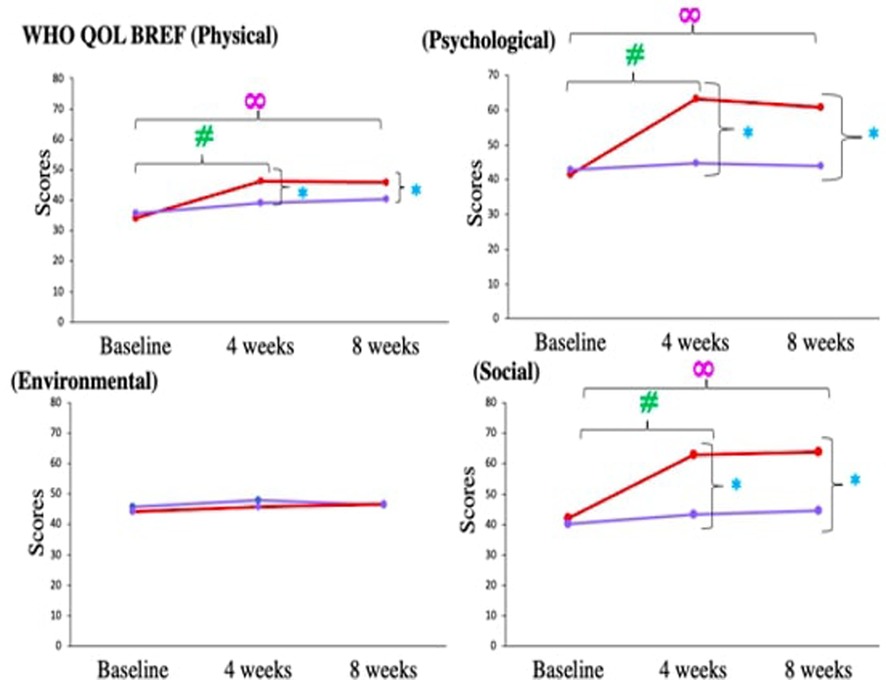
Figure 3. Comparison of WHOQOL BREF components in chronic low back pain patients between medical yoga therapy (red) and standard care therapy (purple) at baseline, at 4 weeks and at 8 weeks. Level of significance is set at 5% and denoted by *(comparison between Medical Yoga therapy and Standard Care therapy), #(baseline vs. 4 weeks) ∞(baseline vs. 8 week).
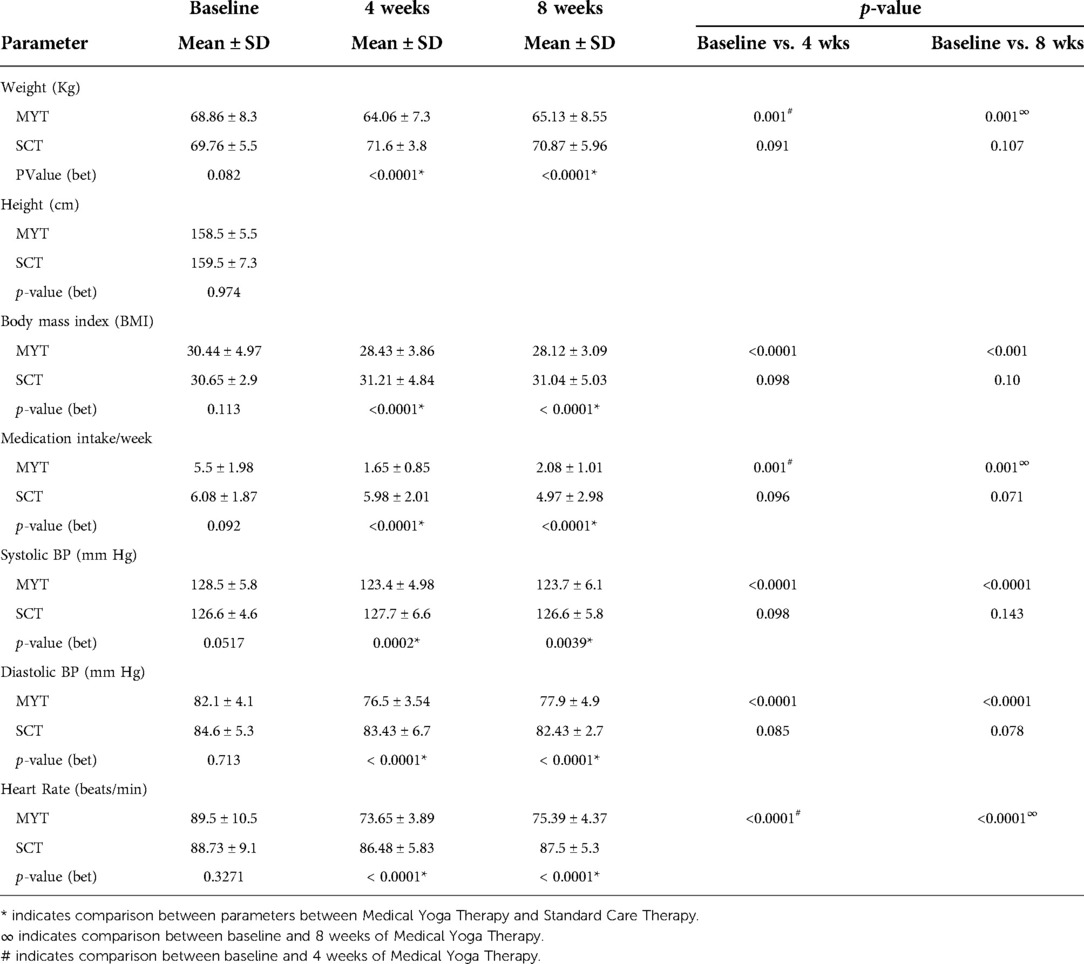
Table 2. Represents comparison of general physiological parameters between medical yoga therapy and standard care therapy groups at 3 time points (baseline, at 4 weeks and at 8 weeks of intervention in chronic low back pain patients.
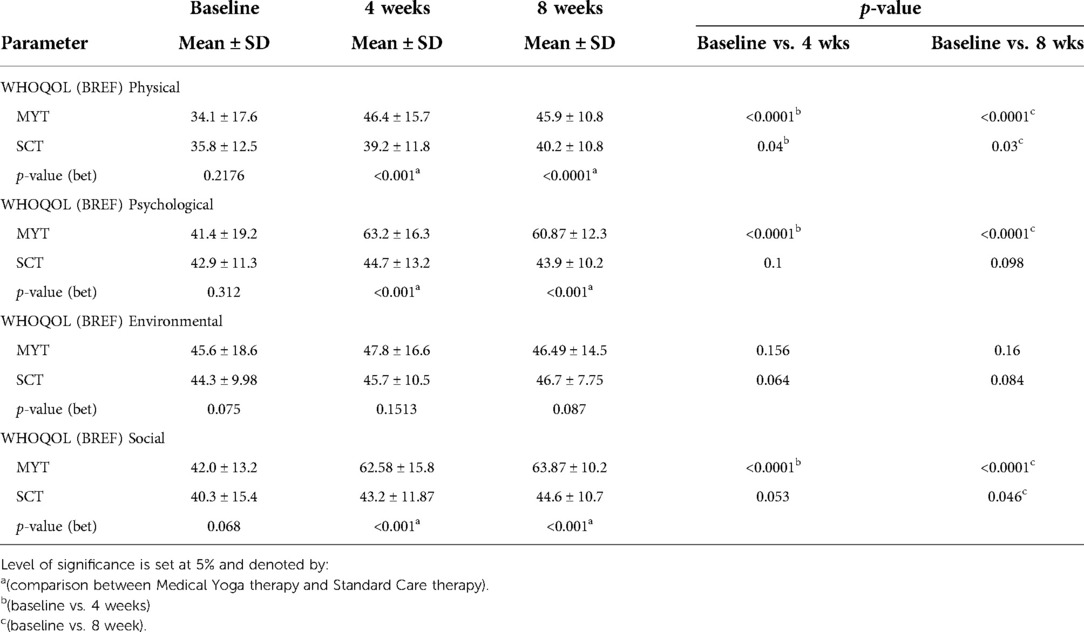
Table 3. Shows comparison of quality of life assessed by WHOQOL BREF questionnaire in chronic low back pain patients between medical yoga therapy and standard care therapy at baseline, at 4 weeks and at 8 weeks.
Visual analogue scale (VAS) scores for patients in both the groups were comparable at baseline, but subjective pain rating decreased significantly more after 4 of Medical Yoga therapy compared to Standard Care therapy (Medical Yoga therapy group-3.92 ± 2.04, Standard Care therapy- 5.35 ± 3.32, p = < 0.0001*). Both sensory and affective component scores of McGill Pain questionnaire revealed significantly more reduction in pain experience in Medical Yoga therapy group compared to Standard Care therapy. (Sensory; Medical Yoga therapy- 4.3 ± 3.7, Standard Care therapy- 8.9 ± 3.2, p = 0.0043*, Affective; Medical Yoga therapy- 1.7 ± 1.6, Standard Care therapy-3.9 ± 1.32, p = 0.002*. At the end of 8 weeks, the subjective pain scores of CLBP patients in Medical Yoga therapy group were 2.95 ± 1.01, which was significantly lower than Standard Care therapy 5.06 ± 2.07 (p = 0.005*). Both sensory and affective component scores of McGill Pain questionnaire revealed significantly more reduction in pain experience in Medical Yoga therapy group compared to Standard Care therapy. (Sensory; Medical Yoga therapy- 4.07 ± 4.5, Standard Care therapy- 9.7 ± 3.6, p = 0.005*, Affective; Medical Yoga therapy- 1.8 ± 1.38, Standard Care therapy-4.03 ± 2.2, p = < 0.0001* (Table 4 and Figure 4).
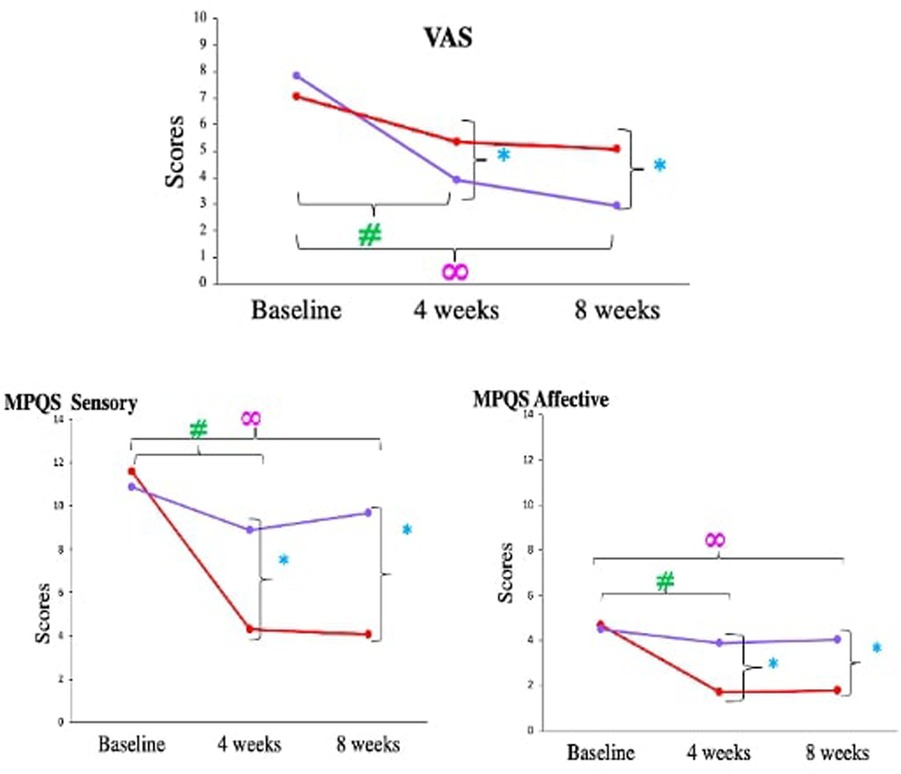
Figure 4. Comparison of VAS scores and short form McGrill pain questionnaire components in chronic low back pain patients between medical yoga therapy and standard care therapy at baseline, at 4 weeks and at 8 weeks. Level of significance is set at 5% and denoted by *(comparison between Medical Yoga therapy and Standard Care therapy), #(baseline vs. 4 weeks) ∞(baseline vs. 8 week).
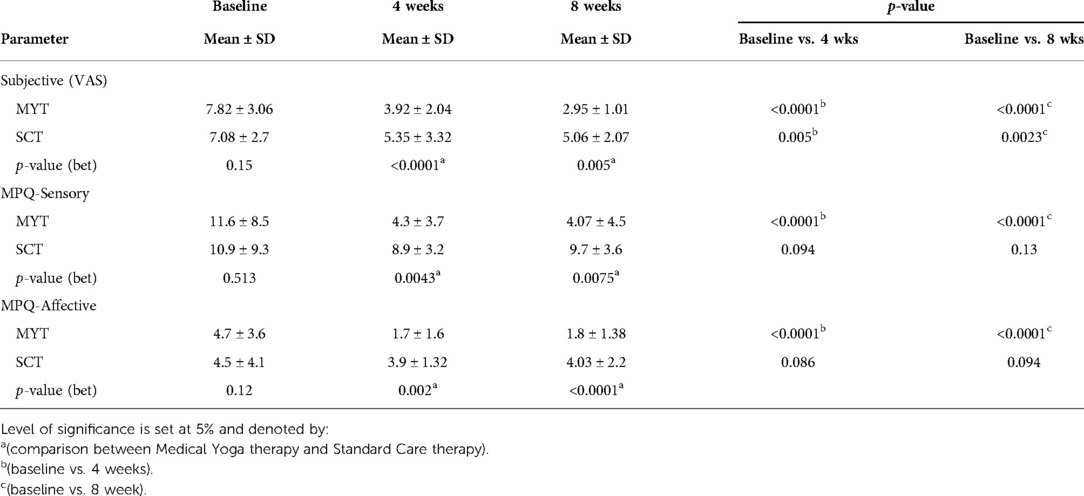
Table 4. Shows comparison of pain status in chronic low back pain patients between medical yoga therapy and standard care therapy at baseline, at 4 weeks and at 8 weeks.
We assessed pain objectively by recording the NFR response in both the groups at all time points. The baseline NFR thresholds for both the groups were comparable 18.91 ± 4.55 V (Medical Yoga therapy group) and 17.31 ± 4.64 V (Standard Care therapy group), p = 0.089. Nociceptive Flexion Reflex threshold increased significantly in Medical Yoga therapy group (24.8 ± 4.52 V, p = < 0.0001#), which differed significantly from 4 weeks of Standard Care therapy (16.18 ± 3.3 V, p = < 0.0001*). NFR latencies were comparable between the groups across all time points. NFR amplitude significantly increased from 44.87 ± 6.23 mV to 68.66 ± 7.7 mV after 4 weeks of yogic intervention (p = < 0.0001#), but after 4 weeks of Standard Care therapy the amplitudes were comparable, also there was significant difference when compared to Medical Yoga therapy group (p = < 0.0001*). NFR duration did not change over time and across the groups. Area under the curve for NFR response increased significantly from 2244.46 ± 436.2 mVs (baseline), to 2430.6 ± 80 mVs (after 4 weeks of Medical Yoga therapy therapy), (p = 0.004#) (Table 5 and Figure 5). Nociceptive Flexion Reflex threshold increased significantly in Medical Yoga therapy group (25.44 ± 3.4 V, p = < 0.0001∞) which differed significantly from 8 weeks of Standard Care therapy (18.54 ± 5.4 V, p = < 0.0001*). As far as NFR latency is considered there was a significant decrease after 8 weeks of yogic intervention (baseline- 113.75 ± 13.5 ms, at 8 weeks- 101.9 ± 6.89 ms, p = 0.0001∞). After 8 weeks of interventions in NFR amplitude in Medical Yoga therapy group was 66.76 ± 10.5 mV, significantly higher than 45.6 ± 8.97 mV, p = < 0.0001* in Standard Care therapy group. Area under the curve for NFR response increased significantly from 2244.46 ± 436.2 mVs (baseline) and to 2598.86 ± 68 mVs (after 8 weeks of Medical Yoga therapy, (p = 0.001∞), whereas after 4 and 8 weeks of Standard Care therapy, there were no significant differences in the areas.
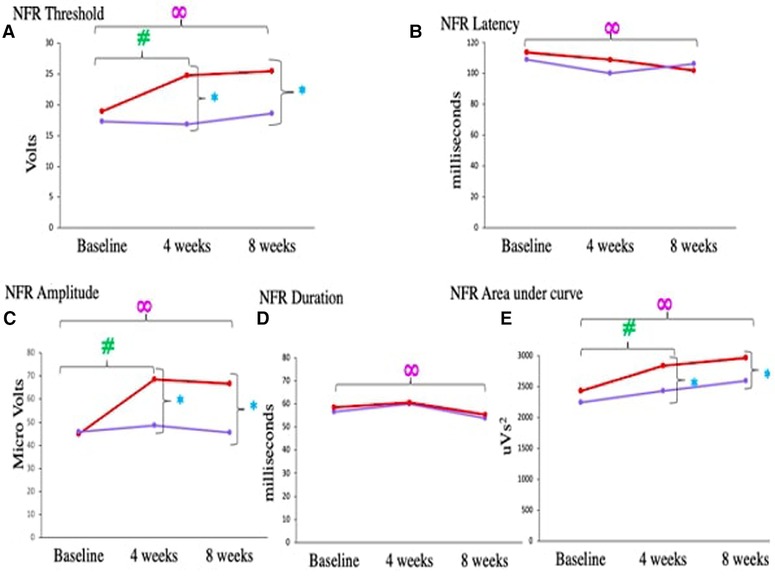
Figure 5. Comparison of (A) NFR threshold, (B) NFR latency, (C) NFR amplitude, (D) NFR duration, (E) NFR area under curve, in chronic low back pain patients between medical yoga therapy and standard care therapy at baseline, at 4 weeks and at 8 weeks. Level of significance is set at 5% and denoted by *(comparison between Medical Yoga therapy and Standard Care therapy), #(baseline vs. 4 weeks) ∞(baseline vs. 8 week).
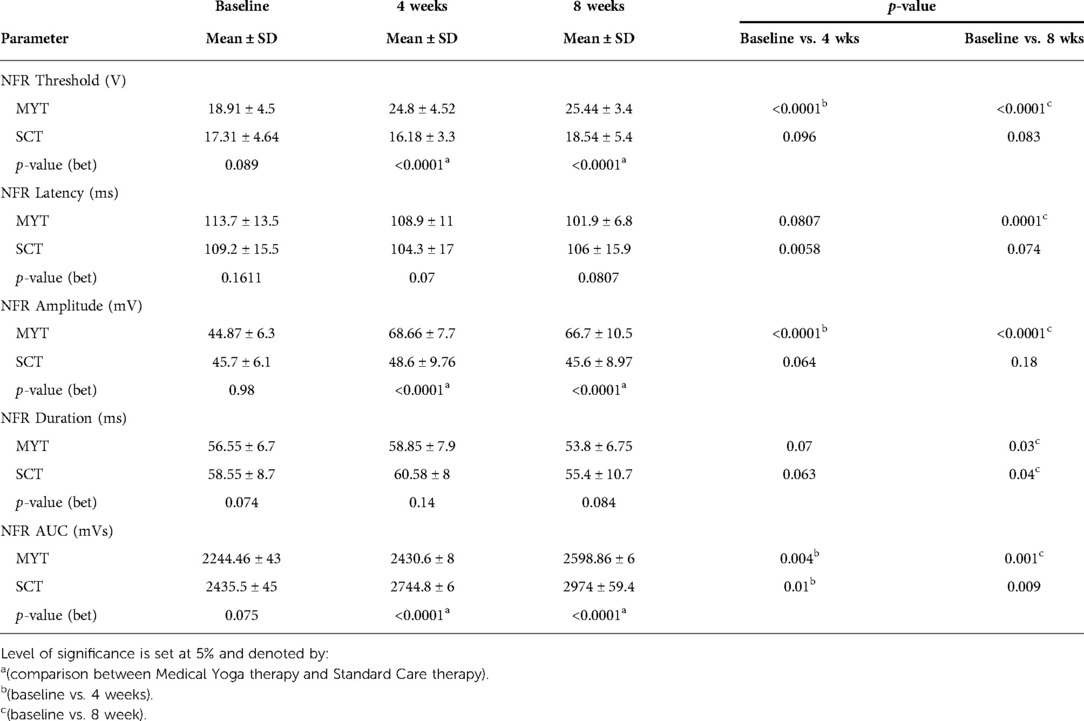
Table 5. Shows comparison of nociceptive flexion reflex parameters NFR threshold, latency, amplitude, duration and area under curve between medical yoga therapy and standard care therapy groups at 3 time points (baseline, at 4 weeks and at 8 weeks of intervention in chronic low back pain patients. Data is checked for normality using Shapiro-Wilk test, data is parametric represented as Mean ± Standard deviation. Comparison between groups is done using unpaired t test and within the group temporally is done using one way ANOVA.
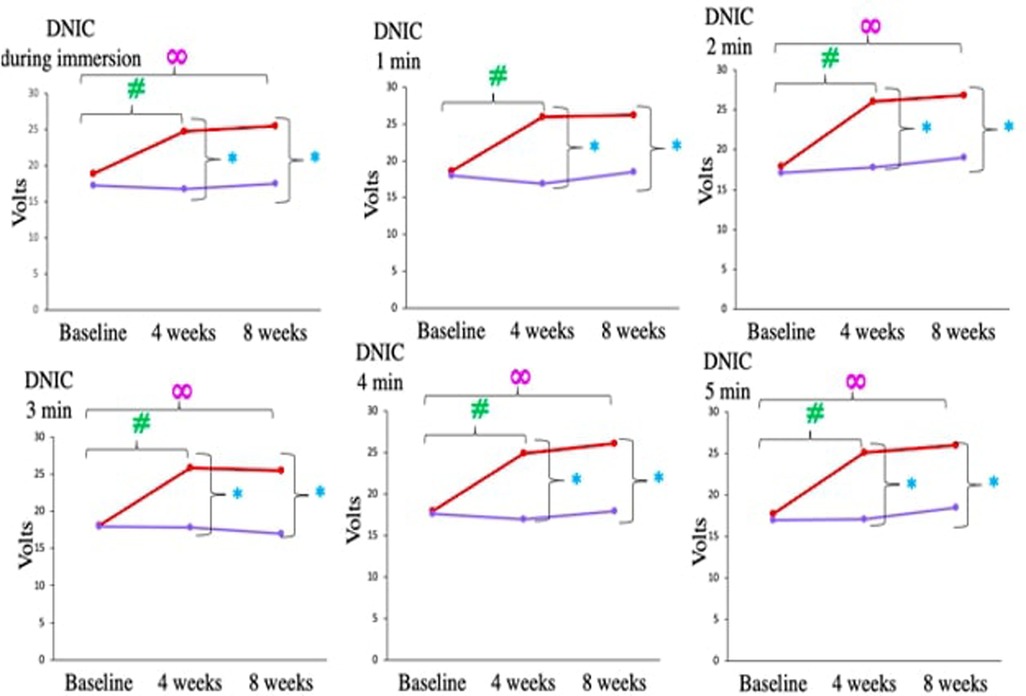
Figure 6. Comparison of diffuse noxious inhibitory control (cold pressor test) during immersion and at end 1–5 min, in chronic low back pain patients between medical yoga therapy and standard care therapy at baseline, at 4 weeks and at 8 weeks. Level of significance is set at 5% and denoted by *(comparison between Medical Yoga therapy and Standard Care therapy), #(baseline vs. 4 weeks) ∞(baseline vs. 8 week).
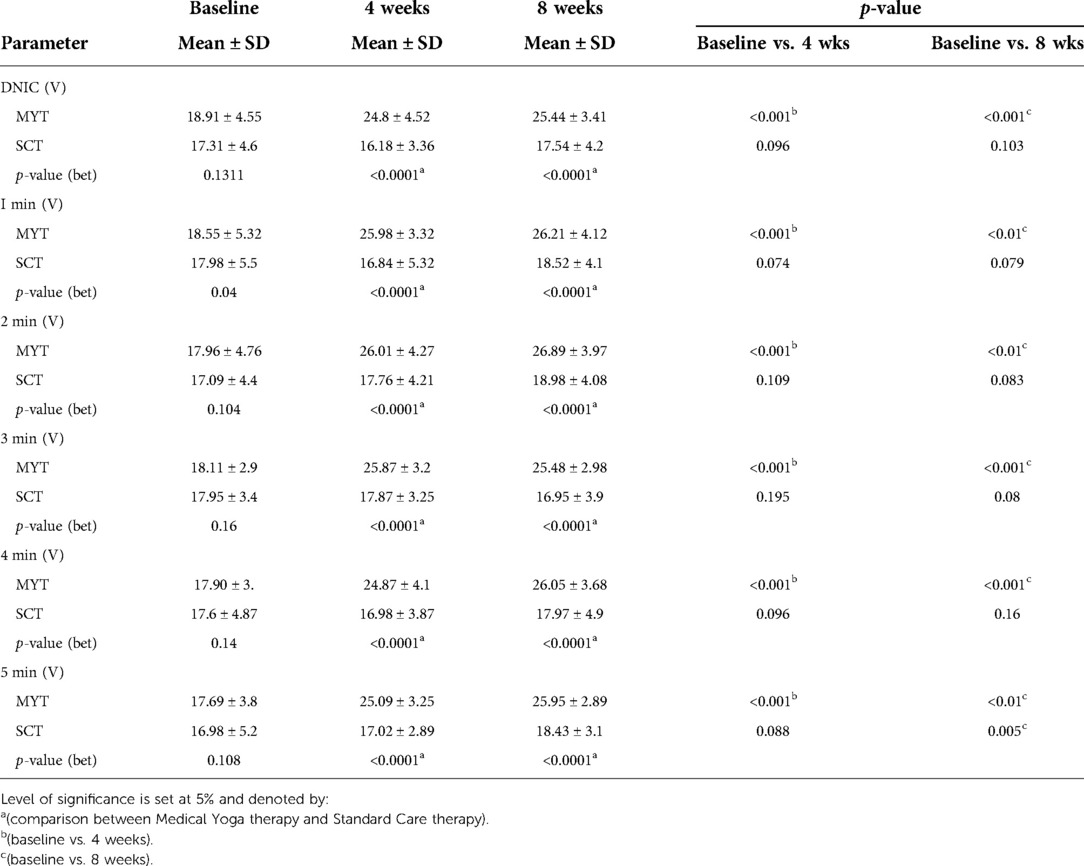
Table 6. Shows comparison of DNIC assessed by CPT between medical yoga therapy and standard care therapy groups at 3 time points (baseline, at 4 weeks and at 8 weeks) in chronic low back pain patients. Data is checked for normality using Shapiro-Wilk test, data is parametric represented as Mean ± SD. Comparison between groups is done using unpaired t test and within group temporally is done using one way ANOVA.
References
1. Deyo RA, Dworkin SF, Amtmann D, Andersson G, Borenstein D, Carragee E, et al. Focus article: report of the NIH task force on research standards for chronic low back pain. (2014), 2028–2045.
2. Vallath N. Perspectives on yoga inputs in the management of chronic pain. Indian J Palliat Care. (2010) 16(1):1–7. doi: 10.4103/0973-1075.63127
3. Ji RR, Nackley A, Huh Y, Terrando N, Maixner W. Neuroinflammation and central sensitization in chronic and widespread pain. Anesthesiology. (2018) 129(2):343–66. doi: 10.1097/ALN.0000000000002130
6. Lewis GN, Rice DA. Chronic pain: we should not underestimate the contribution of neural plasticity. Crit Rev Phys Rehabil. (2014) 26(1-2):1–2. doi: 10.1615/CritRevPhysRehabilMed.2013010295
7. Russell IJ. Monoamine oxidase inhibitor treatment of fibromyalgia. J Musculoskelet Pain. (1998) 6(2):1–3. doi: 10.1300/J094v06n02_01
8. Grachev ID, Fredrickson BE, Apkarian AV. Abnormal brain chemistry in chronic back pain: an inVivo proton magnetic resonance spectroscopy study. Pain. (2000) 89(1):7–18. doi: 10.1016/S0304-3959(00)00340-7
9. Harris RE, Clauw DJ. Imaging central neurochemical alterations in chronic pain with proton magnetic resonance spectroscopy. Neurosci Lett. (2012) 520(2):192–6. doi: 10.1016/j.neulet.2012.03.042
10. Koes BW, Van Tulder M, Thomas S. Diagnosis and treatment of low back pain. Br Med J. (2006) 332(7555):1430–4. doi: 10.1136/bmj.332.7555.1430
11. Chou R, Qaseem A, Snow V, Casey D, Cross JT Jr, Shekelle P, et al. Diagnosis and treatment of low back pain: a joint clinical practice guideline from the American college of physicians and the American pain society. Ann Intern Med. (2007) 147:478–91. doi: 10.7326/0003-4819-147-7-200710020-00006
12. Evans DD, Carter M, Panico R, Kimble L, Morlock JT, Spears MJ. Characteristics and predictors of short-term outcomes in individuals self-selecting yoga or physical therapy for treatment of chronic low back pain. PMandR. (2010) 2(11):1006–15. doi: 10.1016/j.pmrj.2010.07.006
13. Gatantino ML, Bzdewka TM, Eissler-Rnsso JL, Holbrook ML, Mogck EP, Geigle P, et al. The impact of modified Hatha yoga on chronic low back pain: a pilot study. Altern Ther Health Med. (2004) 10(2):56–9. PMID: 15055095
14. Kim GM, Yi CH, Cynn HS. Factors influencing disability due to low back pain using the oswestry disability questionnaire and the quebec back pain disability scale. Physiother Res Int. (2015) 20(1):16–21. doi: 10.1002/pri.1591
15. Saper RB, Sherman KJ, Cullum-Dugan D, Davis RB, Phillips RS, Culpepper L. Yoga for chronic low back pain in a predominantly minority population: a pilot randomized controlled trial. Altern Ther Health Med. (2009) 15(6):18. PMID: 19943573
16. Saper RB, Boah AR, Keosaian J, Cerrada C, Weinberg J, Sherman KJ. Comparing once-versus twice-weekly yoga classes for chronic low back pain in predominantly low-income minorities: a randomized dosing trial. Evid Based Complement Altern Med. (2013) 2013:658030, p. 13. doi: 10.1155/2013/658030
17. Sherman KJ, Cherkin DC, Erro J, Miglioretti DL, Deyo RA. Comparing yoga, exercise, and a self-care book for chronic low back pain: a randomized, controlled trial. Ann Intern Med. (2005) 143(12):849–56. doi: 10.7326/0003-4819-143-12-200512200-00003
18. Sherman KJ, Cherkin DC, Wellman RD, Cook AJ, Hawkes RJ, Delaney K, et al. A randomized trial comparing yoga, stretching, and a self-care book for chronic low back pain. Arch Intern Med. (2011) 171(22):2019–26. doi: 10.1001/archinternmed.2011.524
19. Tekur P, Chametcha S, Hongasandra RN, Raghuram N. Effect of yoga on quality of life of CLBP patients: a randomized control study. Int J Yoga. (2010) 3(1):10–7. doi: 10.4103/0973-6131.66773
20. Tilbrook HE, Cox H, Hewitt CE, Kang’ombe AR, Chuang LH, Jayakody S, et al. Yoga for chronic low back pain: a randomized trial. Ann Intern Med. (2011) 155(9):569–78. doi: 10.7326/0003-4819-155-9-201111010-00003
21. Williams KA, Petronis J, Smith D, Goodrich D, Wu J, Ravi N, et al. Effect of Iyengar yoga therapy for chronic low back pain. Pain. (2005) 115(1–2):107–17. doi: 10.1016/j.pain.2005.02.016
22. Williams K, Abildso C, Steinberg L, Doyle E, Epstein B, Smith D, et al. Evaluation of the effectiveness and efficacy of Iyengar yoga therapy on chronic low back pain. Spine. (2009) 34(19):2066. doi: 10.1097/BRS.0b013e3181b315cc
25. Harte SE, Harris RE, Clauw DJ. The neurobiology of central sensitization. J Appl Biobehav Res. (2018) 23(2):e12137. doi: 10.1111/jabr.12137
31. Ruscheweyh R, Weinges F, Schiffer M, Bäumler M, Feller M, Krafft S, et al. Control over spinal nociception as quantified by the nociceptive flexor reflex (RIII reflex) can be achieved under feedback of the RIII reflex. Eur J Pain. (2015) 19(4):480–9. doi: 10.1002/ejp.570
33. Yarnitsky D. Conditioned pain modulation (the diffuse noxious inhibitory control-like effect): its relevance for acute and chronic pain states. Curr Opin Anaesthesiol. (2010) 23(5):611–5. doi: 10.1097/ACO.0b013e32833c348b
34. Yarnitsky D, Bouhassira D, Drewes AM, Fillingim RB, Granot M, Hansson P, et al. Recommendations on practice of Conditioned Pain Modulation (CPM) testing. Eur J Pain. (2015) 19(6):805–6. doi: 10.1002/ejp.605
35. Yadav RK, Ray RB, Vempati R, Bijlani RL. Short communication effect of a comprehensive yoga–based lifestyle modification program on lipid peroxidation. Indian J Physiol Pharmacol. (2005) 49(3):358–62. PMID: 16440857
36. Sharma RA, Gupta N, Bijlani RL. Effect of yoga-based lifestyle intervention on subjective well-being. Indian J Physiol Pharmacol. (2008) 52(2):123–31. PMID: 19130855
37. Chan CW, Mok NW, Yeung EW. Aerobic exercise training in addition to conventional physiotherapy for chronic low back pain: a randomized controlled trial. Arch Phys Med Rehabil. (2011) 92(10):1681–5. doi: 10.1016/j.apmr.2011.05.003
38. Govindaraj R, Mehta UM, Kumar V, Varambally S, Thirthalli J, Gangadhar BN. Effect of yoga on cortical inhibition in healthy individuals: a pilot study using transcranial magnetic stimulation. Brain Stimulat. (2018) 11(6):1401–3. PMID: 30193801
39. Furlan AD, Yazdi F, Tsertsvadze A, Gross A, Van Tulder M, Santaguida L, et al. Complementary and alternative therapies for back pain II. Evid Rep Technol Assess (Full Rep). (2010) 194:1–764. PMID: 23126534; PMCID: 4781408
40. Telles S, Nagarathna R, Nagendra HR. Breathing through a particular nostril can alter metabolism and autonomic activities. Indian J Physiol Pharmacol. (1994) 38:133–7. PMID: 8063359
41. Groessl EJ, Weingart KR, Johnson N, Baxi S. The benefits of yoga for womenVeterans with chronic low back pain. J Altern Complement Med. (2012) 18(9):832–8. doi: 10.1089/acm.2010.0657
42. Nambi GS, Shah AA. Additional effect of iyengar yoga and EMG biofeedback on pain and functional disability in chronic unilateral knee osteoarthritis. Int J Yoga. (2013) 6(2):123. doi: 10.4103/0973-6131.113413
44. Hölzel BK, Carmody J, Evans KC, Hoge EA, Dusek JA, Morgan L, et al. Stress reduction correlates with structural changes in the amygdala. Soc Cogn Affect Neurosci. (2010) 5(1):11–7. doi: 10.1093/scan/nsp034
45. Van der Hulst M, Vollenbroek-Hutten MM, Rietman JS, Hermens HJ. Lumbar and abdominal muscle activity during walking in subjects with chronic low back pain: support of the “guarding” hypothesis? J Electromyogr Kinesiol. (2010) 20(1):31–8. doi: 10.1016/j.jelekin.2009.03.009
Definition – What does mean?
Medical yoga is a type of yoga practice which combines traditional Hatha yoga with medical diagnosis and therapeutic techniques to address illness and disease. It is sometimes also referred to as Medical Yoga Therapy. Medical yoga may draw on modern scientific diagnostic tools, such as blood tests and MRI scans, in order to objectively assess a patient’s underlying ailments and to help design an appropriate treatment plan. This is likely to include modified asanas and the use of yoga props.
B.K.S. Iyengar was a pioneer in applying yogic techniques to heal the body. He developed specific asanas and practices that can be adjusted to suit a patient’s individual needs at their stage of recovery. These may include personalized programs of asana, pranayama and meditation.
Conclusion
It is well known that MYT is beneficial in alleviating pain and improving quality of life and parasympathetic activity in CLBP patients. But through this study we objectively assessed effect of MYT by Nociceptive flexion reflex and diffuse noxious inhibitory control tests in CLBP patients. We conclude that Medical Yoga Therapy surely does improve pain and descending pain modulation, reduces hyperalgesia in CLBP patients. We suggest NFR and DNIC tests should be routinely used as an objective assessment tool not only for MYT but also any other therapeutic interventions.
Acknowledgments
The authors acknowledge Department of Science and Technology DST, Science and Technology of Yoga and Meditation (SATYAM), Government of India for funding this project. The authors acknowledge the contributions of all staff members and researchers at Pain Research and TMS laboratory, Department of Physiology, AIIMS, New Delhi. The authors also extend gratitude towards Ms Varsha (Yoga therapist), Mr Pradeep (Physiotherapist) and all the patients and healthy volunteers who participated in this study.
Author contributions
SA: Carried all tests and assessments of patients, analyzed the data and manuscript writing. RKY: Yoga protocol formulation and idea. VS: Patient screening and referral. KKD: Idea and modification of the protocol. RB: Conceptualization, Idea, and manuscript writing. All authors contributed to the article and approved the submitted version.
Funding
The project was funded by Department of Science and Technology, DST-SATYAM, Government of India.